RAVE-O represents an innovative, multi-componential approach toward language and reading development. It emphasizes making connections among the component parts of the reading brain. It integrates an expanded view of foundational skills that includes and goes beyond phonics and phoneme awareness to connect multiple oral language processes.
Specifically, RAVE-O is the only program to simultaneously integrate phonology, orthography, semantics, syntax, understanding the alphabetic principle, and morphology with the same words. Of equal importance, these same words are then used in the context of stories (connected text) with their multiple meanings and uses. We call this approach POSSUM, which in Latin means "to enable". This integration leads to fluent comprehension and deep reading processes like inference, empathy and critical analysis.
The more one knows about a word, the faster and better the word is read and understood. This too-little-known dimension of Science of Reading has important implications as well for multilingual readers who may have less knowledge about English words to bring to decoding.
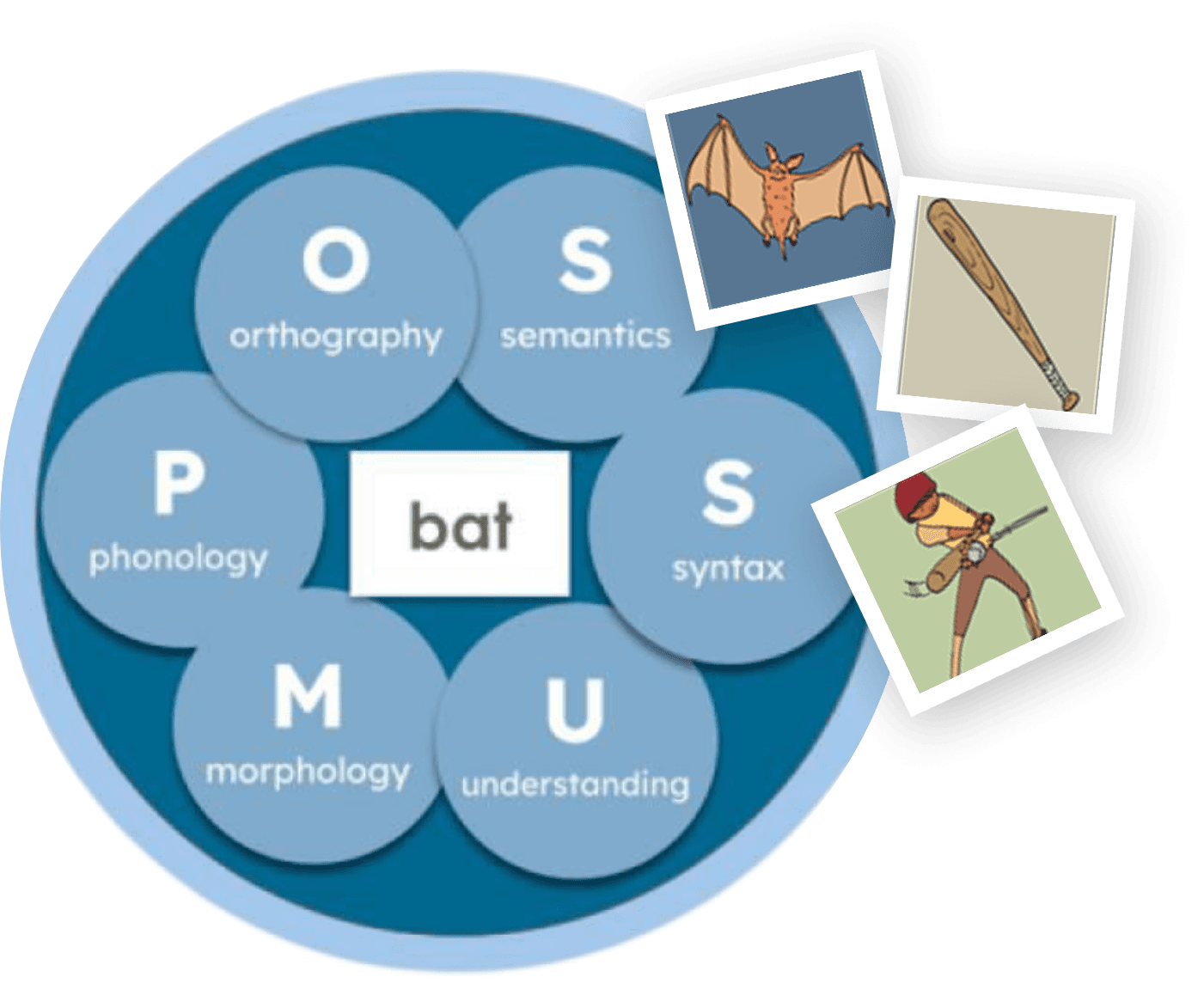
Every Unit includes a Letter from the Author that describes how and why each of these components are incorporated into the POSSUM approach. For example, one Letter gives background about the ways morphemes can be the “secret sauce” to fluent word recognition. Other Letters detail the research background for a particular strategy like our T-LEX approach to deep reading processes in our children. Many of these Letters actively engage teachers into discovering their own questions about how these components can address the particular weaknesses AND strengths of their heterogenous readers. We hope these questions can be shared with other teachers and brought to any of the Office Hours by our staff.
In sum, these Letters represent our way of expanding the knowledge bases of all our teachers, as well as inviting their unique areas of expertise to the teaching of RAVE-O.

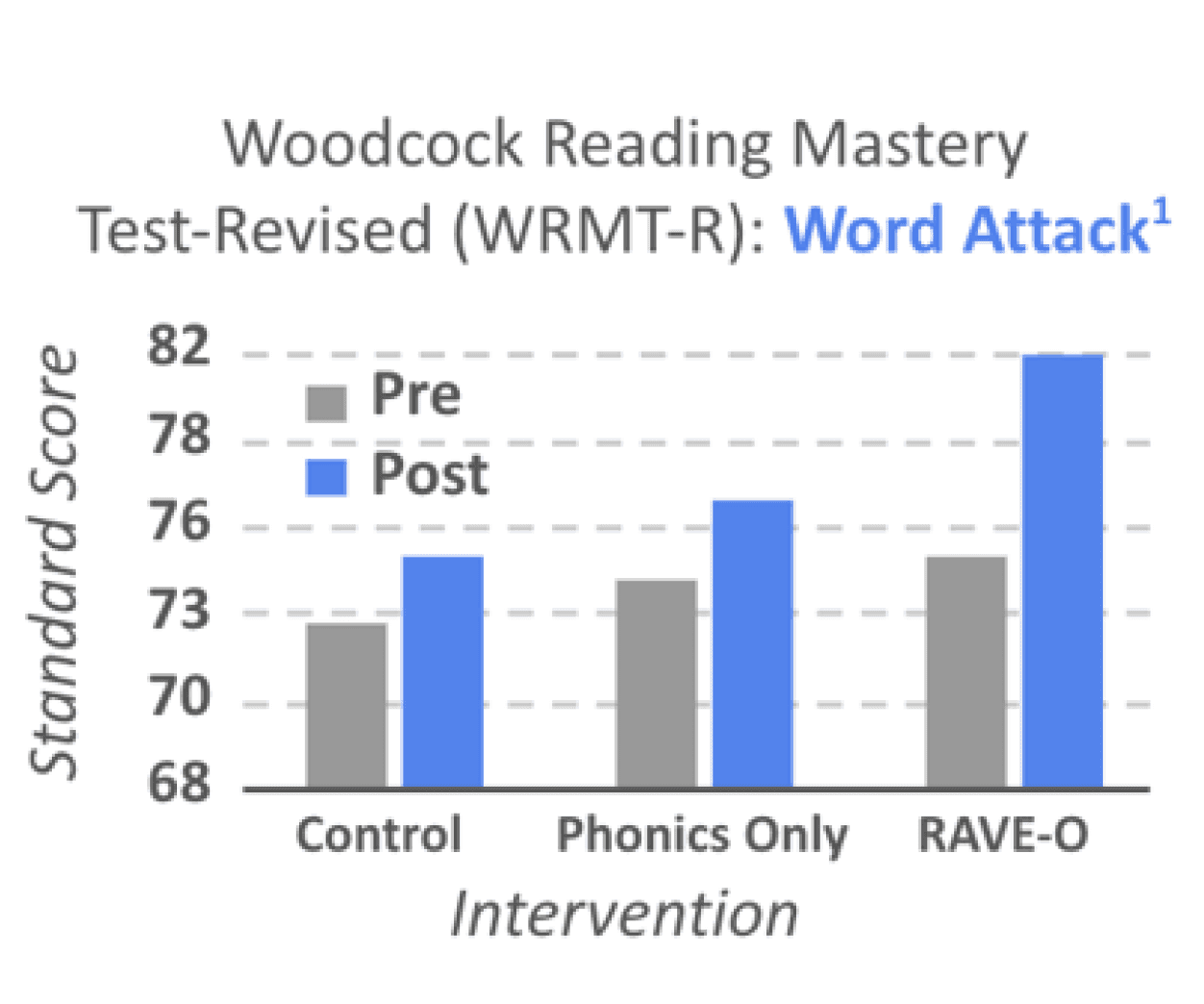
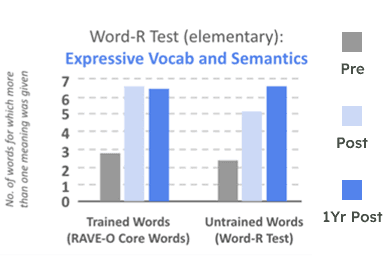
NICHD funded, RCT research found students receiving instruction in RAVE-O outperformed comparison groups in areas of decoding, vocabulary, and comprehension
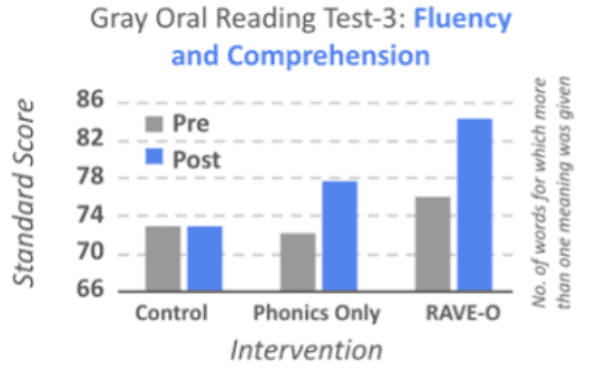
Changes in Oral Reading Quotient (fluency + comprehension) Standard Scores on Gray Oral Reading Test-3
Short-Term and long term gains in vocabulary knowledge and semantic flexibility, RAVE-O combined with phonemic awareness and blending program.
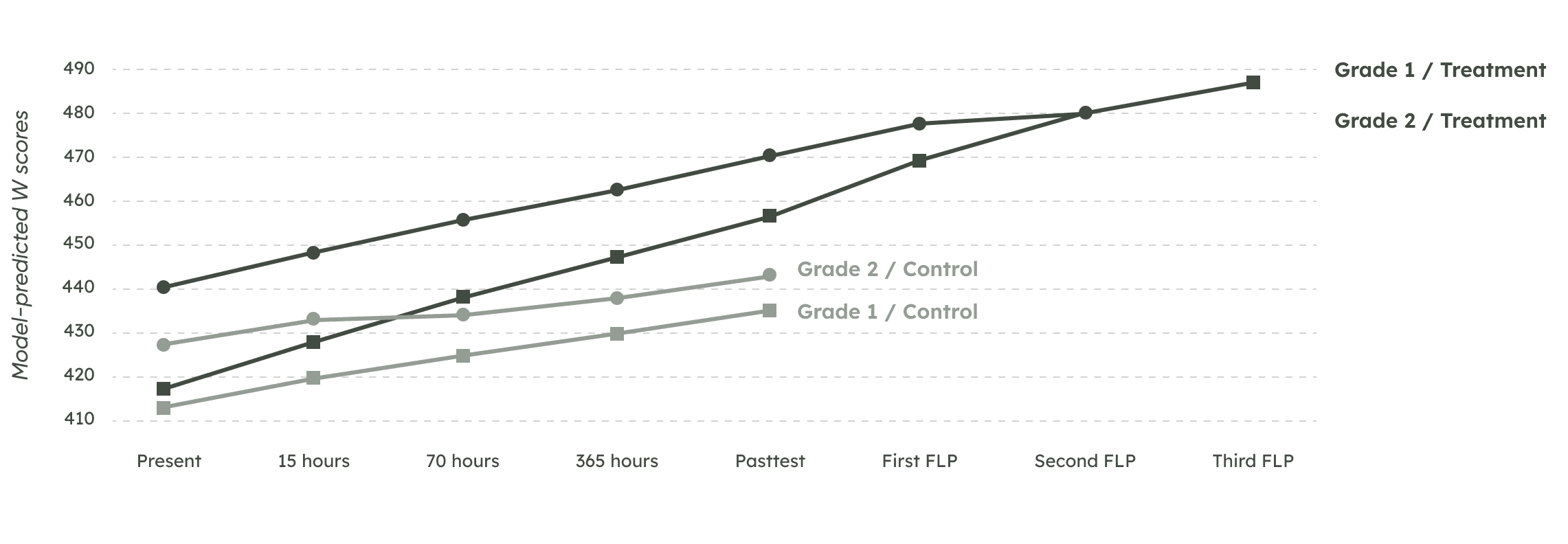
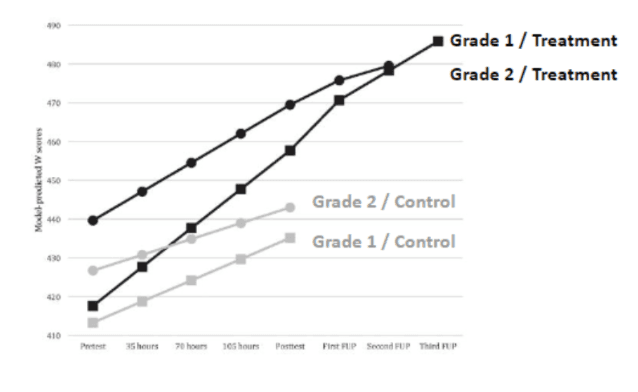
Model-predicted Woodcock Reading Test-Revised Passage Comperhension ( W scores) by grade and intervension Status)
Please send sales inquiries to [email protected]
or call (707) 879-8748