Research, essays, podcasts, and webinars curated for teachers and reading specialists, newest first.
Webinar
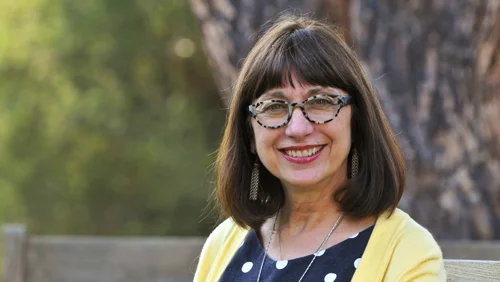
Why fluency is the bridge from decoding to comprehension, and how RAVE-O puts the research to work. Free with registration.
93 min

Reading Science
It is a beautiful collection of some of the most important components in human language, oral and written. Indeed it reflects how the one (oral) is embodied in the latter (written).
5 min
Reading Science
The E in the original RAVE-O represented the importance of Engagement for our students (AND those who teach them!)
10 min

Webinar
Wolf's newest educator webinar asks the field's next question: what does the science of reading demand beyond foundational skills?
64 min

Classroom Tools
Ready-to-print word-web cards for Tier 2 vocabulary. Grades 2-4. Aligned to RAVE-O Units 1-6.
0 min
ELL
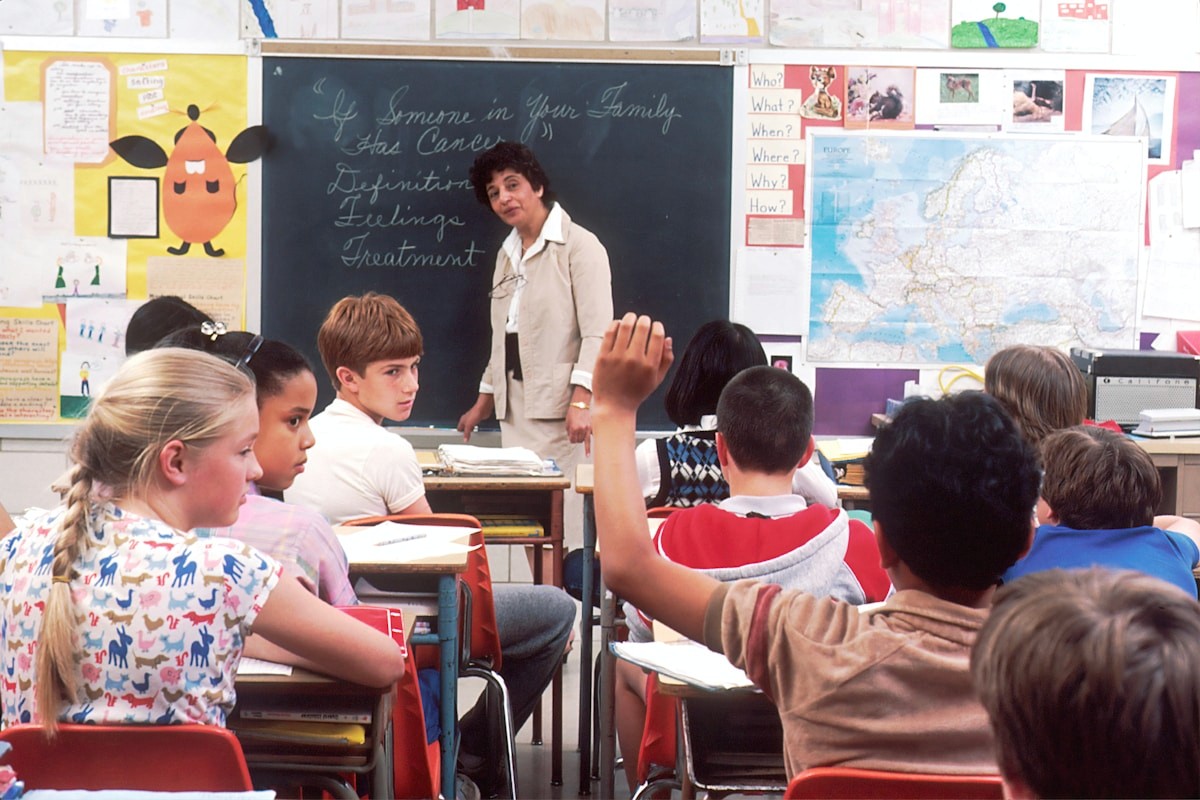
Cross-linguistic transfer, prosody, and the role of cognates in RAVE-O's ELL adaptation.
8 min
Reading Science
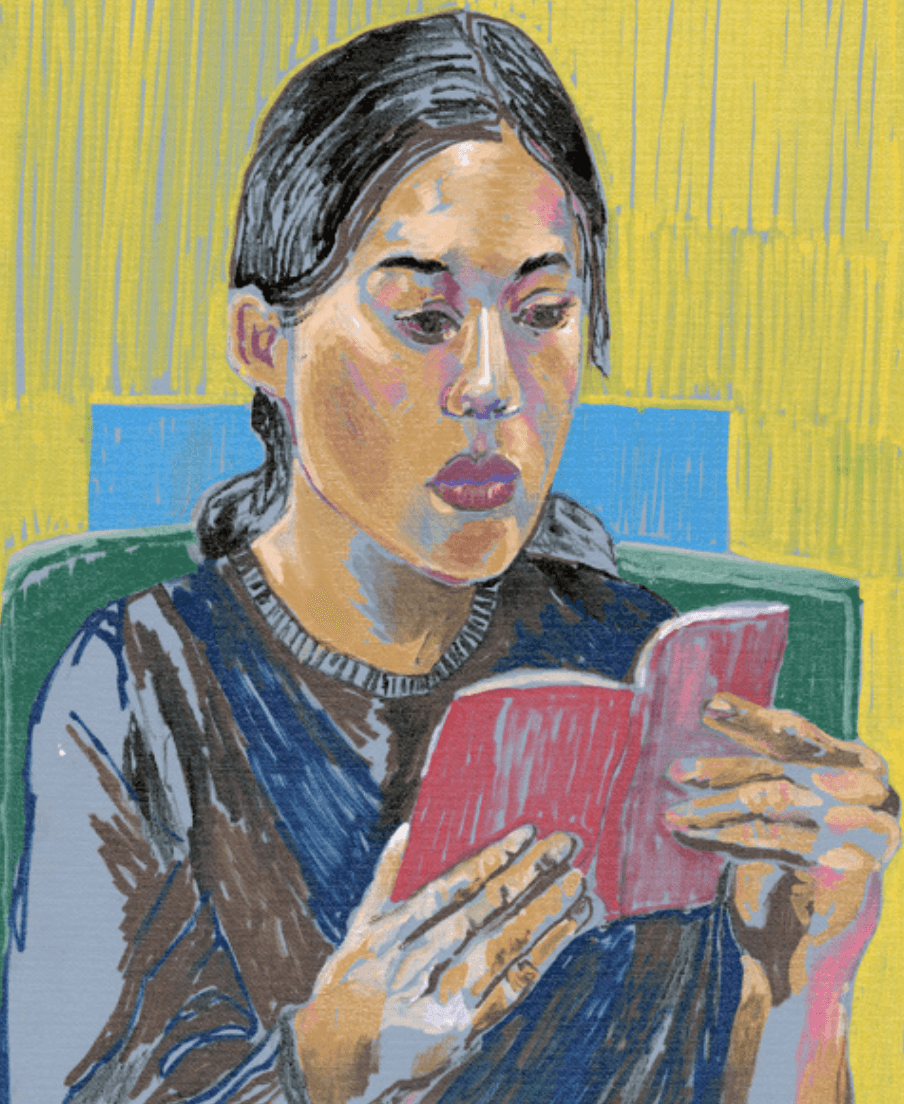
Maryanne Wolf on the cognitive 'elbow room' growing readers need — and why explicit, multi-component instruction creates it.
5 min
POSSUM Model
The 'S' in POSSUM. A close look at how rich semantic networks accelerate word retrieval and comprehension.
7 min
POSSUM Model
Decoding gets readers in the door. Fluency and comprehension need five components working together.
6 min

POSSUM Model
How do you actually teach fluency? Wolf and Melissa Orkin walk through the linguistic systems behind the POSSUM routine.
50 min

Intervention
Grade-at-intervention and learner profile predict outcomes. Three lenses every interventionist should hold.
12 min

Deep Reading
Wolf on her relationship to the Science of Reading movement, what screens do to the reading circuit, and what children need before age five.
61 min

Intervention
'The earlier the intervention, the better the results for that child over time.' Wolf on screening, dyslexia, and acting before failure.
62 min

Reading Science
What should a teacher do differently knowing how the reading circuit works? Wolf talks classrooms, engagement, and dyslexia with Jennifer Serravallo.
38 min

Intervention
Recorded for California educators: Wolf translates dyslexia research into classroom practice in the state's own expert webinar series.
61 min

Reading Science
Reading is not natural: every child's brain must build the circuit from scratch. Wolf's Kappan essay on teaching both the science and the love of reading.
8 min

Intervention
Rewards can get compliance. This research is about what builds the real thing: intrinsic motivation in striving readers.
9 min

For Families
Certain kinds of parental homework help predict helpless behaviors in struggling readers. The kind of help turns out to matter.
9 min

Research
Risk profiles visible in kindergarten, including the double-deficit profile, stay stable over time. The case for screening early and acting early.
11 min

Research
Why does naming colors quickly predict reading years later? The definitive review calls RAN 'a microcosm of the processes involved in reading.'
15 min

Research
How do you turn findings about naming speed and the reading circuit into a daily lesson? This paper shows the blueprint, and it is free to read.
12 min

Deep Reading
What exactly is 'deep reading'? The essay that defined it, and asked early what digital reading would do to it.
8 min

Research
You can train each subskill and still not get a fluent reader. This study explains why fluency must be taught as a connected whole.
12 min

Reading Science
An in-depth interview on what rapid naming reveals about the reading brain. The plain-language companion to her most influential research.
40 min

Research
Before 2001, fluency had no agreed definition. This paper gave it one, then mapped how to teach it, component by component.
12 min

Research
The paper that first laid out RAVE-O's goals and principles, including its boldest aim: changing how children feel about words.
10 min

Research
Some children have phonological deficits. Some have naming-speed deficits. Those with both struggle most and need different teaching.
14 min

Reading Science
Before RAN was in screening batteries, it was a hypothesis. This is the longitudinal study that started the whole research program.
10 min
